April 2026 · Lobbying & Advocacy
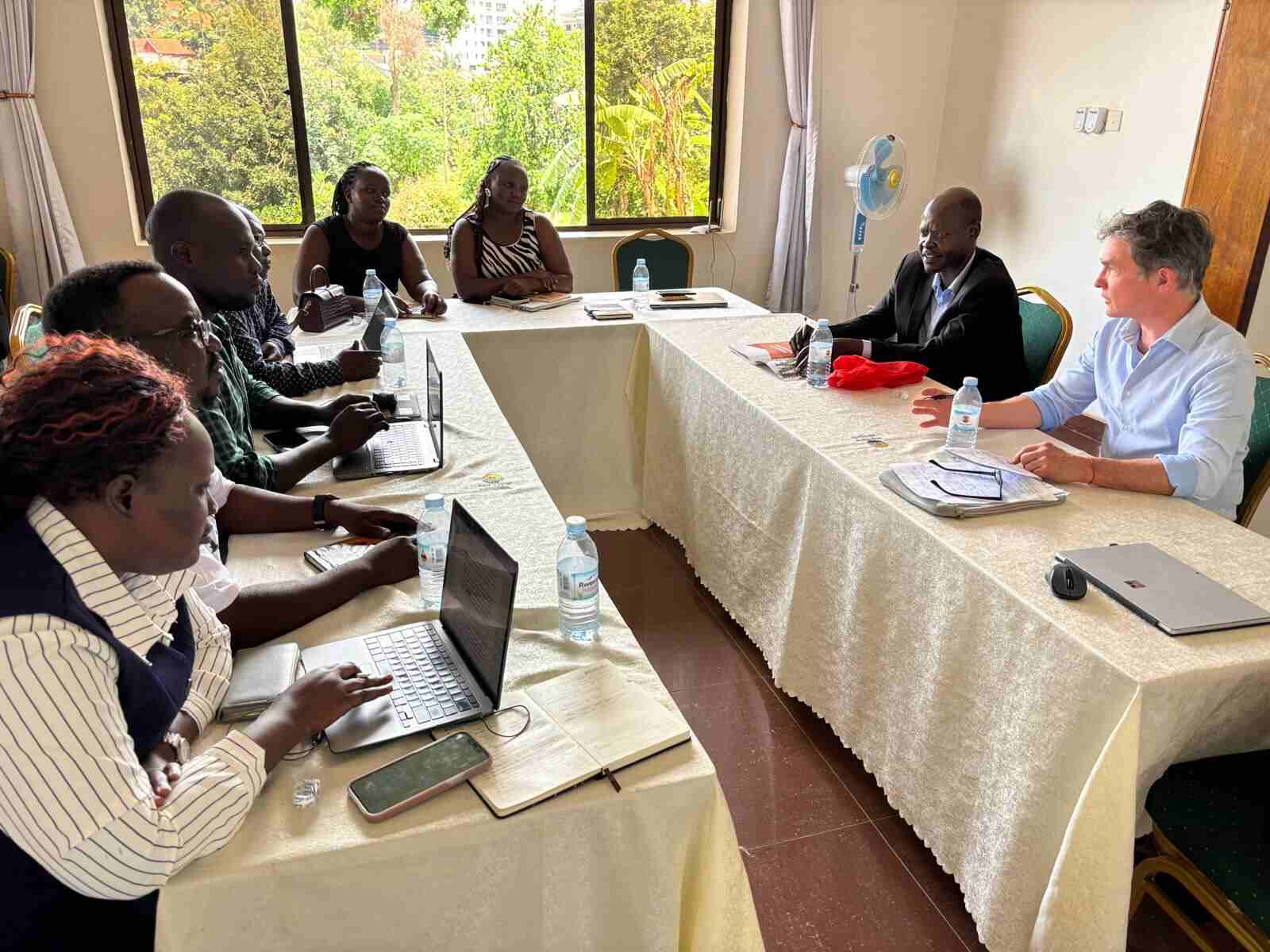
On 22 April 2026, RACI, together with peace project partners from Uganda and South Sudan, held a consultative meeting with the Principal Lands Officer at the Ministry of Lands, at Nobview Hotel, Kampala. RACI was represented by its Lobbying & Advocacy Coordinator. The engagement laid important groundwork for the wider networking and lobbying meeting that followed on 30 June 2026.
RACI and its partners used the meeting to highlight a systemic gap in how existing land policies are disseminated to the public — a gap that limits equitable participation in land governance, particularly among rural communities. Limited awareness of land policy continues to disproportionately affect vulnerable groups, including women and youth, who often lack the information needed to protect their land rights.
In response, the Principal Lands Officer acknowledged the far-reaching effects of land conflict, including displacement, noting that vulnerable groups are especially exposed in situations where more powerful or better-resourced actors are able to secure disproportionate control over land — a dynamic that reinforces existing inequalities in land access.
He went on to outline several structural challenges the Ministry continues to navigate in addressing land disputes. Land-related cases in the legal system often face repeated adjournments, prolonging resolution and leaving claimants — particularly those with limited resources — in extended uncertainty. The costs associated with pursuing justice through the courts can also place ordinary citizens, especially those from rural communities, at a disadvantage. He further noted that the land tribunal's transfer from the Ministry of Lands to the Ministry of Justice has affected the efficiency of dispute resolution, compared to when it operated under the Ministry of Lands. While land laws and policies are clearly articulated, he acknowledged that gaps between policy and practice persist, often linked to integrity challenges among those responsible for implementation.
Despite these challenges, the Ministry highlighted several best practices it continues to promote, including the registration of customary land to formalise and protect community land rights, collective sensitisation of communities on existing land policies, and engagement with the Government of South Sudan to help resolve cross-border land-related conflicts. On its regional approach, the Ministry noted that regional land charters are being used to give communities greater security of tenure through certificates of ownership, alongside ongoing sensitisation efforts to improve public understanding of land governance processes.
This meeting reinforced RACI's continued commitment to equitable land governance and inclusive participation for rural and vulnerable communities in Northern Uganda and the broader region, setting the stage for the follow-up networking and lobbying meeting held on 30 June 2026.